
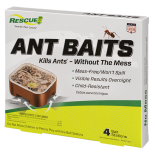
 Ant Baits
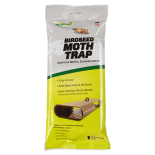 Birdseed Moth Trap
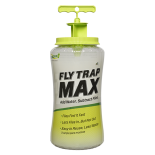 Fly Trap Max
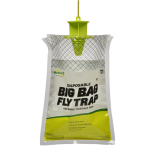 Fly Trap, Big Bag
 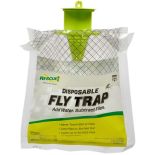 Fly Trap, Disposable
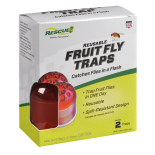 Fly Trap, Fruit Fly
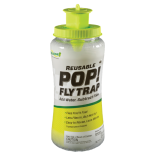 Fly Trap, POP! Fly
 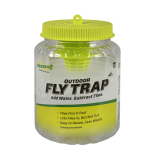 Fly Trap, Reusable
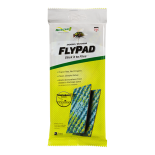 FlyPad
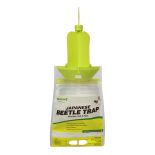 Japanese Beetle Trap
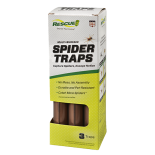 Spider Trap
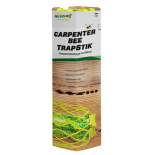 TrapStik, Carpenter Bee
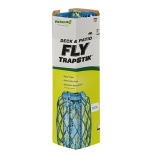 TrapStik, Deck & Patio Fly
 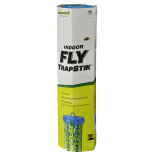 TrapStik, Indoor Fly
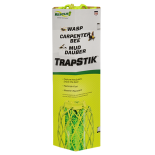 TrapStik, Wasp
 W·H·Y Trap for Wasps, Hornets & Yellowjackets
 Yellowjacket Trap, Disposable
  Yellowjacket Trap, Reusable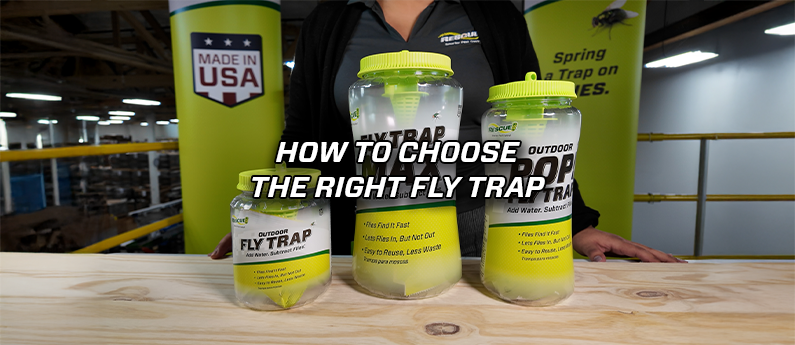
Not sure which fly trap you need? This quick guide breaks down RESCUE!® fly trap options and helps you choose the right one based on your fly problem, yard size, and preference for disposable or reusable traps.
Read More »
Think bug zappers protect your yard? Discover how they spread bacteria, harm helpful insects, and often make mosquito problems worse.
Read More »
Learn how VisiLure® visual fly traps support cleaner, low-odor, low-maintenance pest control for dairy, poultry, hog, and other livestock operations in commercial agriculture.
Read More »
RESCUE!'s VisiLure technology uses colors and patterns—not odors—to attract flies and other pests. Learn how it works and the best places to use it in this article.
Read More »
Discover odorless VisiLure fly traps for homes, including indoor and outdoor options like FlyPad™ and TrapStik® for cleaner, flexible residential fly control.
Read More »
The new Fly Bucket Top from RESCUE! turns a standard 5-gallon bucket into a jumbo fly trap! In this blog, we explain what you need and how to set it up.
Read More »
While most spiders are not a threat to humans, some species pack venom potent enough to be dangerous—even deadly—in the absence of medical treatment. In this article, we look at the five deadliest spiders in the world.
Read More »
Biting flies and filth flies behave differently and are attracted to different things. Identifying which type of fly you’re dealing with is crucial to picking the right trap.
Read More »
Wondering how to get rid of insects in your home? When fall rolls around, insects go to great lengths to find ways inside your house. We offer some simple tips to keep them out.
Read More »