Mud Daubers

Mud daubers are slender wasps that construct nests out of mud. They are nuisance pests and not aggressive.

Geographic Region

Mud daubers are found throughout North America, from southern Canada to northern Mexico.

Natural Habitat

Mud daubers build small mud nests in sheltered locations like garages and eaves of buildings.

Weather Conditions

Warm and wet conditions are most conducive to mud daubers, since they need muddy soil to build their nests.

Behavior

Mud daubers are not aggressive and rarely sting. They are solitary, not social, wasps, and do not live in colonies. Mud daubers are predators of spiders and other insects, which they paralyze by a sting.

Unique characteristics

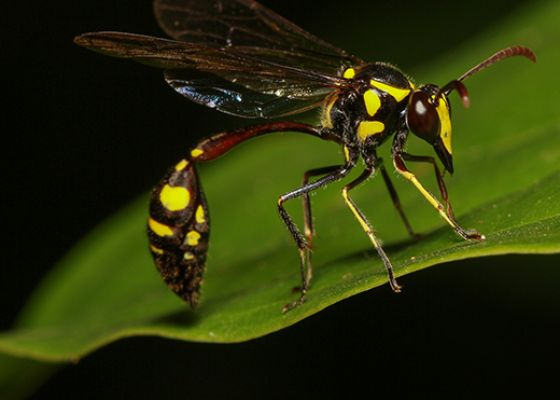
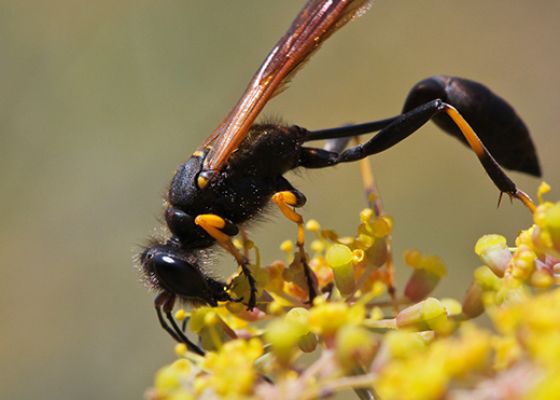
Mud daubers are one-inch long, slender wasps with a narrow, thread-like “waist” between the thorax and abdomen.

Related Products
We recommend using one of these enzyme-based products to clean and remove the odor:

  • Tide, Oxydol, or Gain for Clothes and Hands
  • Odor Mute for Concrete and Patio Bricks
  • Nature's Miracle
  • Petzyme
  • Simple Solution Pet and Odor Remover
  • One Earth Natural
  • Biokleen Bac Out
  • White Vinegar Rinse; Mix Half & Half with Water
  • Baking Soda, Vinegar and/or Lemon Juice
Mud daubers are solitary wasps that build tube-like nests from mud. They’re usually active in warmer months and often nest on the sides of buildings, under eaves, in garages, sheds, and other structures. Mud daubers can be visually identified by the distinct thin tube that connects their abdomen to their thorax.
Mud daubers are generally non-aggressive and rarely sting unless directly provoked. They’re considered less threatening than social wasps (like yellowjackets or paper wasps) but can still be unwelcome when nesting on or near your home. Their nests have been known to cause damage to property and mechanical equipment, and have been associated with multiple airplane crashes.
Mud dauber nests look like small mud tubes or clumps attached to flat surfaces. They’re often brown or gray and may be clustered in sheltered areas like eaves, rafters, porch ceilings, or garage walls.
Mud daubers look for quiet, sheltered spots to build their mud nests, especially where there’s easy access to mud or moist soil. Outdoor lighting that attracts flying insects — their food source — can also draw them to certain areas.
Because mud daubers are solitary and generally not aggressive, many homeowners choose to leave inactive nests alone. If active nests are in high-traffic areas or cause concern, you can brush them off in cooler times when adults are less active — always with caution.
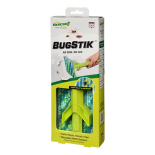
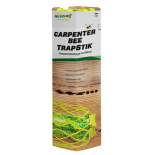
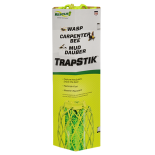
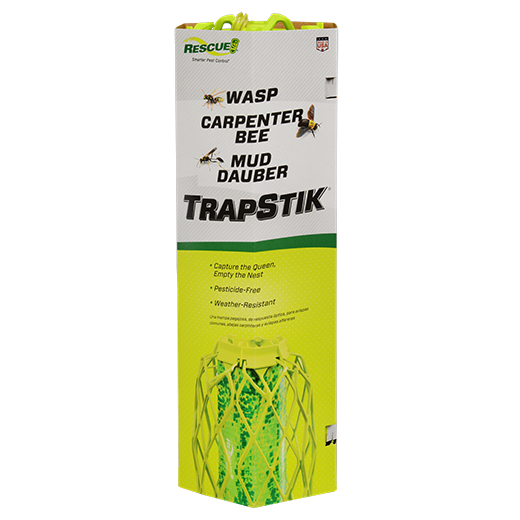
The RESCUE! TrapStik for Wasps, Mud Daubers & Carpenter Bees uses visual lure patterns and a sticky adhesive surface to attract and trap flying pests like mud daubers in outdoor areas. It's an effective way to reduce stinging insect populations without harsh chemical sprays. ???? RESCUE! TrapStik for Wasps, Mud Daubers & Carpenter Bees — recommended when mud daubers are frequenting entrances, eaves, garages, or outdoor living areas.
Hang it outdoors in shaded, sheltered spots near where mud dauber activity has been noticed — such as under eaves, porch overhangs, near garage entrances, or on outdoor structures. Avoid placing it near flowers and vegetation to avoid catching non-target insects and wildlife.
The RESCUE! TrapStik for Wasps, Mud Daubers & Carpenter Bees is visually attractive to flying pests like mud daubers, wasps, and carpenter bees. To minimize impact on beneficial pollinators, avoid placing traps near flowering plants, gardens, or pollinator zones — and position them where mud daubers are most active instead.
Limiting access to sheltered surfaces with seasonal painting or sealing helps deter nest building. Using a TrapStik for Wasps, Mud Daubers & Carpenter Bees nearby can help intercept and trap adults before they settle. Also reduce night lighting that attracts other flying insects (their food), which can indirectly help reduce mud dauber visits.
Mud dauber populations can vary year to year based on weather conditions, available nesting sites, and food sources (small spiders and insects). Warm, wet springs followed by dry summers can increase their activity. Placing traps early in the season and maintaining good outdoor sanitation helps reduce mid- to late-season numbers.

Jan 21, 2026 | Helpful Hints

How to Choose the Right Fly Trap

Not sure which fly trap you need? This quick guide breaks down RESCUE!® fly trap options and helps you choose the right one based on your fly problem, yard size, and preference for disposable or reusable traps.

Read More »