

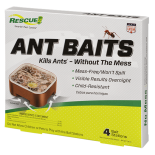
 Ant Baits
 Birdseed Moth Trap
 BugStik
 Fly Trap Max
 Fly Trap, Big Bag
 Fly Trap, Disposable
 Fly Trap, Fruit Fly
 Fly Trap, POP! Fly
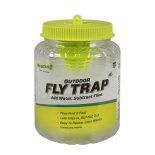 Fly Trap, Reusable
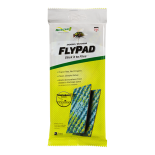 FlyPad
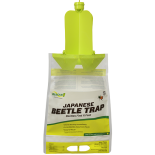 Japanese Beetle Trap
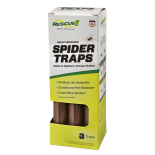 Spider Trap
 TrapStik, Carpenter Bee
 TrapStik, Deck & Patio Fly
 TrapStik, Indoor Fly
 TrapStik, Wasp
 W·H·Y Trap for Wasps, Hornets & Yellowjackets
 Yellowjacket Trap, Disposable
 Yellowjacket Trap, Reusable

The kitchen is wiped down, the dishes are done, and a line of ants is back beside the sink. In November. Apparently, they missed the memo about outdoor dining season being over.
Cold weather can slow outdoor ant activity, but it doesn't rule out ants in the kitchen. A sheltered nest may stay warm enough for workers to forage, and food or moisture can keep bringing them to the same spot. Start by tracing their route, checking for leaks and overlooked food, and identifying the ants before choosing a treatment.
Cold outside doesn't tell you where the nest is
An ant coming out from behind a cabinet hasn't necessarily built a nest there. Workers can travel between a hidden nest and a food source. Some species nest inside buildings; others forage indoors from outside.
Regional conditions matter, too. A freezing week in Minnesota and a rainy week in coastal California aren't the same situation. University of Minnesota Extension describes ants nesting beneath heated concrete slabs, while UC Integrated Pest Management notes that changing weather and flooded conditions can send ants into buildings. The calendar alone won't identify your visitors.
Instead of assuming every cold-weather ant has moved into the walls, look for a repeatable pattern: where they appear, where they go, and whether they return after the food is put away.
Follow the trail before reaching for the cleaner
Watch a few workers long enough to see their route. A flashlight can help you check the back of the sink cabinet and the edge where the floor meets the baseboard. Note the location or take a photo before cleaning.
Then work through these three stops:
- The food stop: Check sticky bottle rims, crumbs beside appliances, spills beneath the trash liner and pet-food residue. Seal dry goods and remove accessible scraps.
- The water stop: Look beneath the sink for drips, damp cabinet bottoms or a leaking pipe connection. Repair leaks rather than simply drying the same puddle each day.
- The entry stop: Follow accessible trails toward gaps around pipes, baseboards, doors or windows. Record where ants disappear; that opening is a clue, not proof of the nest's location.
For more places to inspect around the house, see our fall insect-proofing guide. Don't dismantle cabinets or open walls just to follow a trail.
Clean the kitchen without interrupting an active bait route
Cleaning removes competing food, which is useful when you're using bait. The tricky part is cleaning the very path ants are using to reach it.
Ants follow scent trails. University of Kentucky Extension advises leaving those trails undisturbed during baiting and avoiding insecticides or cleaning agents around bait placements. You can still wash dishes, wipe food-preparation surfaces and remove crumbs elsewhere. Keep cleaners away from the station and the active route to it.
If you've already sprayed that spot, don't put bait directly on the treated surface. Iowa State University Extension cautions that insecticide residues can deter feeding. Follow both products' labels and choose an appropriate untreated placement along observed activity.
Where RESCUE! Ant Baits fit
RESCUE! Ant Baits contain separate carbohydrate and protein gel baits and target most common household ants. For this indoor kitchen use, follow the package's opening directions and place a station along observed ant activity, in a dry spot inaccessible to children and pets. Keep it away from direct sunlight.
Once ants are feeding, leave the station in place. Workers collect bait and carry it back to share with other ants. More visitors at the station can reflect feeding activity; it doesn't tell you that the problem is finished. Avoid sprays, powders and strong cleaners near the bait.
Check the station and the surrounding activity. Replace stations when the bait is consumed or dried out, or if a station is damaged, following package directions. Don't judge the result by a single quiet afternoon.
These baits are not effective against carpenter ants, according to the current RESCUE! product information. They also won't repair a plumbing leak or close an entry gap.
When to get the ants identified
Persistent large ants, coarse sawdust-like debris near wood, or a swarm of winged insects indoors deserve a closer look. Carpenter ants can excavate wood for nesting, and winter activity can indicate an indoor nest. Workers can also arrive on firewood, so mention any recent loads when asking for help.
Save clear photos or a contained specimen for your local Extension office or a qualified pest professional. Include the room, approximate size, timing and any moisture problems. If ants ignore bait or keep returning despite cleanup and label-directed use, identification is more useful than repeatedly treating the same trail.
You don't have to leave the kitchen dirty to use bait. Remove the food and moisture you can, give feeding ants an undisturbed route to the station, and use what you observe to decide the next step.
rescue.com™