

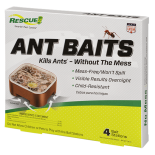
 Ant Baits
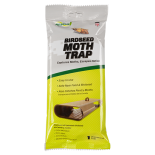 Birdseed Moth Trap
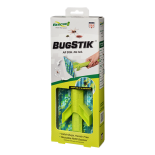 BugStik
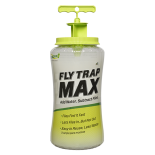 Fly Trap Max
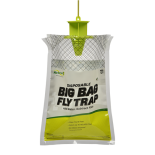 Fly Trap, Big Bag
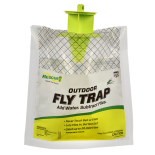 Fly Trap, Disposable
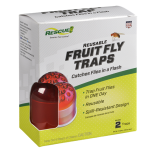 Fly Trap, Fruit Fly
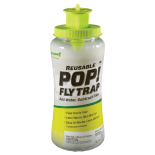 Fly Trap, POP! Fly
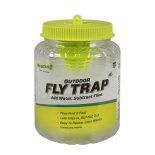 Fly Trap, Reusable
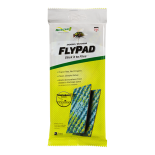 FlyPad
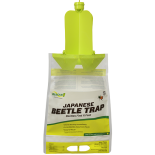 Japanese Beetle Trap
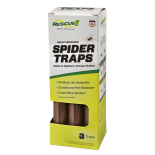 Spider Trap
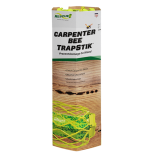 TrapStik, Carpenter Bee
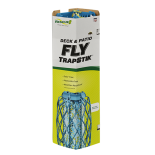 TrapStik, Deck & Patio Fly
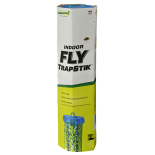 TrapStik, Indoor Fly
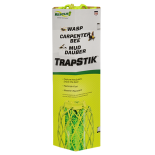 TrapStik, Wasp
 W·H·Y Trap for Wasps, Hornets & Yellowjackets
 Yellowjacket Trap, Disposable
 Yellowjacket Trap, Reusable

Getting rid of fruit flies would be a lot easier if they stuck to the fruit bowl. Unfortunately, they’re just as happy with the dregs in a juice bottle or a potato going soft in the pantry. Throwing out the bananas may remove one breeding spot while leaving another untouched.
So if you’ve already tossed the fruit and cleaned the counter, start with the recycling. Check for leftover drinks, then work through the trash, stored vegetables and other places where damp food residue can collect.
Start with the bottles and cans
Leftover juice, soda, beer or wine in an otherwise empty bottle can attract fruit flies. If containers have been collecting in the kitchen all week, take them out of the bin and check for liquid in the bottom.
Rinse and drain recyclables before putting them away. While the bin is empty, look underneath the containers, too. A sticky spill stays behind when you take out the recycling, so wash the bin and let it dry before refilling it.
This is an easy spot to overlook during a kitchen cleanup. You might wipe the counters every day without giving much thought to the bin underneath them.
Take the bag out of the trash can
If the bananas went into your kitchen trash, take that bag outside. Then check the can itself. Scraps and leaked liquid can collect beneath a liner, even after you’ve put in a fresh bag.
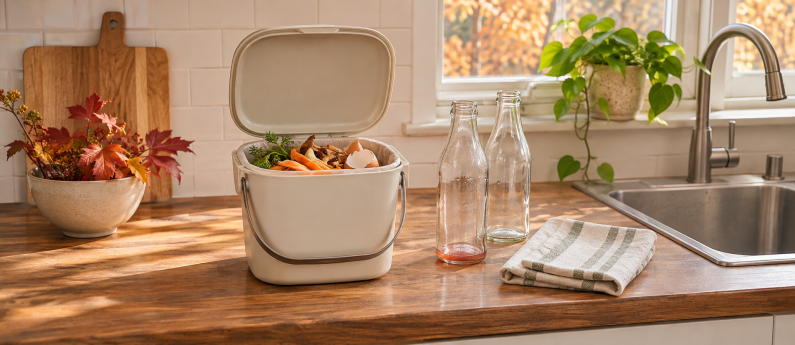
Give a countertop compost caddy the same attention. Empty it, wash away clinging scraps and clean the underside of the lid and around the rim. Keep it covered between uses and empty it regularly. If holiday cooking has you peeling and chopping more than usual, check the caddy more often, too.
Look beyond the fruit bowl
Fruit flies can develop in spoiled vegetables, too. Check stored potatoes, onions and squash, especially anything tucked into a dark cupboard or left at the bottom of a basket. Take the produce out so you can see what is underneath it, and clean up any leaked juices after discarding spoiled items.
Then check the places that are awkward to reach during a quick cleanup:
- Beside the trash can, where a peel or scrap may have missed the opening.
- Under movable countertop items, where a spilled drink may have gone unnoticed.
- In a damp mop or dishcloth that still contains food residue. Wash soiled cleaning tools and let them dry thoroughly.
You are looking for damp, decaying food or fermenting liquid. A kitchen can look clean while a small amount remains out of sight.
What if they keep gathering around the sink?
Fruit flies may gather at a sink for moisture, and they can also develop in organic buildup inside drains. Check the strainer and accessible drain surfaces for trapped scraps or a slimy coating. Follow your fixture manufacturer's cleaning directions to remove that material. Persistent slow drainage or a leak may need repair.
Before spending more time on the sink, get a closer look at the flies themselves. Common fruit flies are tan to brown and often have red eyes. If you’ve been calling every tiny fly a fruit fly, our guide to fruit flies, fungus gnats and drain flies can help you tell them apart. Your local Extension office can help with identification if you’re unsure.
Catch the adults while you clean up
Set a RESCUE! Fruit Fly Trap near the area where you see fruit flies. It uses a food-based liquid lure to attract and capture adults indoors. A stable counter or shelf near the recycling, compost caddy or fruit bowl is a suitable location; keep it out of reach of young children and pets.
Add the supplied attractant according to the package directions. Each trap includes a 30-day supply of attractant and can be rinsed and reused with Fruit Fly Trap Refills. Empty, rinse and refill when the liquid evaporates, the trap fills with flies or the attractant loses effectiveness, following the refill instructions.
Keep checking for overlooked scraps as you use the trap. It catches adult fruit flies, but eggs and larvae in leftover food still need to be removed during cleanup. This trap is intended for fruit flies; it will not catch fungus gnats or drain flies.
If flies persist despite that work, ask for identification and inspection help. Fruit flies can occur indoors in winter, too, so colder weather outside is no reason to leave a possible source unchecked.