

 Ant Baits
 Birdseed Moth Trap
 BugStik
 Fly Trap Max
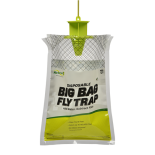 Fly Trap, Big Bag
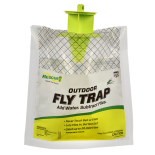 Fly Trap, Disposable
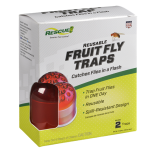 Fly Trap, Fruit Fly
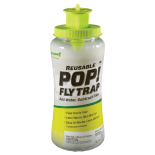 Fly Trap, POP! Fly
 Fly Trap, Reusable
 FlyPad
 Japanese Beetle Trap
 Spider Trap
 TrapStik, Carpenter Bee
 TrapStik, Deck & Patio Fly
 TrapStik, Indoor Fly
 TrapStik, Wasp
 W·H·Y Trap for Wasps, Hornets & Yellowjackets
 Yellowjacket Trap, Disposable
 Yellowjacket Trap, Reusable
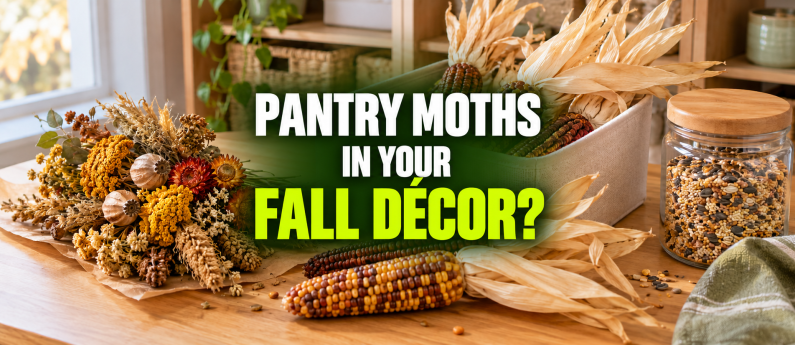

The dried corn on your mantel looks festive. A little moth fluttering past it? Less so. If small moths appear around a fall display or a box of seasonal decorations, the source may be closer than your kitchen pantry.
Pantry pests can infest dried decorations made with corn, seeds, grains and other plant materials. Finding moths nearby is a reason to inspect those items, along with stored food and birdseed. The useful next step is to find what the insects are feeding on, remove infested material and address any adult pantry moth activity.
Can fall decorations really be a pantry moth source?
Yes. Dried ornamental corn, seed displays and dried flower arrangements can provide food for pantry pests. That autumn centerpiece may belong on the dining table, but its ingredients can overlap with what these insects eat.
Indian meal moths are one common pantry pest. Their larvae, the small caterpillar stage, feed on stored materials and leave silk behind. Adult moths may be the first sign you notice, even when the food source is tucked inside a decoration or storage container.
Other insects can infest dried materials, too. A tiny beetle in a wreath is not automatically a pantry moth problem. Before choosing a trap, make sure the pest matches the solution.
What should you inspect first?
Start with the display or storage box nearest the activity. Examine one item at a time in good light, keeping anything suspicious separate from food and other decorations.
- Ornamental corn: Check between kernels and around folded husks for webbing, caterpillars or insect debris.
- Seed and grain decorations: Examine natural materials in wreaths, arrangements and tabletop displays. Look closely where pieces overlap.
- Dried flowers and potpourri: Check the material itself, plus the bottom and corners of its container.
- Nearby stored products: Inspect birdseed, dry pet food, garden seeds, flour, cereal, nuts and dried fruit.
Look for silk threads, webbed-together material, larvae or adult insects. A moth near a storage bin is a clue, not proof that everything inside is infested. Inspect before deciding what needs to go.
Why are moths on the wall instead of in the decoration?
Indian meal moth larvae can leave their food source when they are ready to pupate. That means a caterpillar near a ceiling or shelf corner may have traveled from something stored elsewhere in the room.
Check shelf edges, cracks and nearby corners, then work back toward potential food sources. Looking only where an adult moth lands can miss the material supporting the problem.
What should you do with an infested decoration?
Seal heavily infested items in a bag and discard them in an outdoor trash container. Avoid carrying loose, infested material through the house or returning it to a shared storage box.
If you want to keep a decoration, consider its materials before attempting any treatment. University of Minnesota Extension recommends freezing plant- or seed-based decorations for at least four days when insects are present. Delicate finishes, glued parts or mixed materials may not tolerate freezing, so discarding an affected item may be more practical.
After removing infested material, vacuum the shelf, container and surrounding cracks. Empty the vacuum or discard its bag afterward. Inspect other susceptible items nearby, since more than one source can be involved.
Where does a pantry moth trap fit?
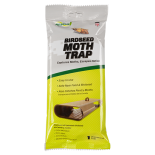
Once you have checked for the source, a RESCUE!® Birdseed Moth Trap can help address adult pantry moth activity. Its pheromone lure attracts certain male moths, which become stuck on the adhesive inside the trap.
Place it indoors where moths or signs of moths are found, following the package directions. The trap can sit on a shelf or hang as directed. Choose a location where children and pets will not tamper with it.
The trap does not directly kill eggs or larvae inside a decoration or food package. Removing infested material and cleaning the area remain essential. The trap complements that work rather than replacing it.
How can you store fall decorations more carefully?
Before packing decorations away, inspect natural materials and remove loose seeds or debris from the storage container. Keep items with signs of insects out of the box instead of sealing them in with next year's display.
Give nearby food sources attention, too. Store uninfested birdseed and dry foods in tightly closed glass, metal or heavy plastic containers. A folded bag or thin cardboard package offers less protection. Our birdseed storage guide explains why checking seed supplies belongs on the same inspection list.
Continue watching the area after cleanup. New moth sightings are a reason to check for missed sources, not simply add more decorations to the discard pile. If you are unsure which insect you have found, send us a message on social media with a picture and we can try to help you identify it.
A closer look at what is in your fall display can turn a puzzling moth sighting into a practical next step: inspect the natural materials, remove the source and use the right trap for the moths you have identified.