

 Ant Baits
 Birdseed Moth Trap
 BugStik
 Fly Trap Max
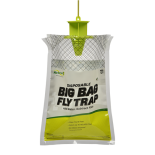 Fly Trap, Big Bag
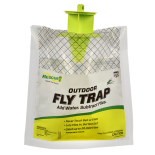 Fly Trap, Disposable
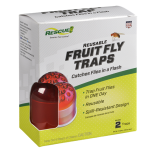 Fly Trap, Fruit Fly
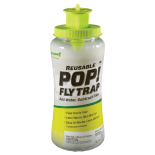 Fly Trap, POP! Fly
 Fly Trap, Reusable
 FlyPad
 Japanese Beetle Trap
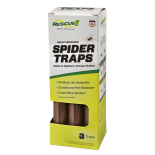 Spider Trap
 TrapStik, Carpenter Bee
 TrapStik, Deck & Patio Fly
 TrapStik, Indoor Fly
 TrapStik, Wasp
 W·H·Y Trap for Wasps, Hornets & Yellowjackets
 Yellowjacket Trap, Disposable
 Yellowjacket Trap, Reusable
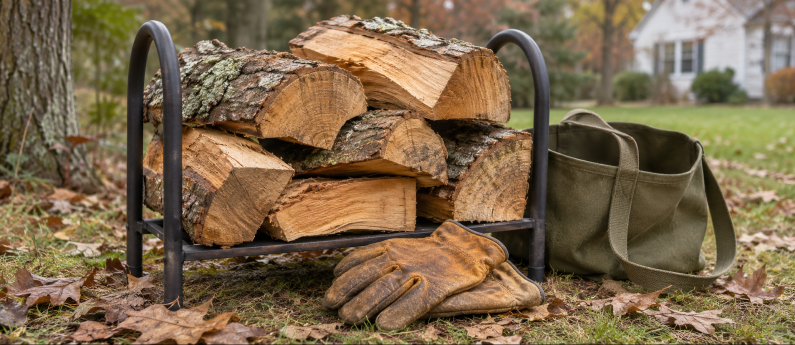

A basket of firewood beside the hearth looks great until something crawls out of it. Then you start wondering what else you carried into the living room.
If bugs appeared after your latest trip to the woodpile, start by checking the logs and moving the extra wood back outdoors. Bring in only what you plan to burn soon, vacuum up the wanderers, and skip the insect spray. Firewood should never be treated with insecticides.
Most insects that arrive this way cause little more than an unwelcome interruption. Still, it helps to know why they showed up, what to look for, and when to ask someone for a closer look.
Why bugs appear after the wood comes inside
Firewood provides shelter for spiders, pillbugs and insects tucked under loose bark or between logs. Some beetles spend their immature stages inside the wood itself. You may carry them in without seeing anything move.
Once the logs sit in a heated room, insects can become active or emerge from the wood. That explains why a basket that looked perfectly ordinary on Saturday might have visitors crawling around it a few days later. University of Illinois Extension describes these common firewood hitchhikers and the effect of bringing them into a warm house.
Leaving a large supply indoors gives them more time to emerge. Keeping the main stack outside and carrying in smaller loads cuts down on that opportunity.
What to do with the wood already indoors
Empty the carrier or woodbox so you can examine the bottom and the floor beneath it. Look for loose bark, crawling insects, webs and powdery wood debris. Move unused logs back to your outdoor storage area rather than leaving a full basket in the room for the week.
Vacuum accessible insects, spiders and debris around the empty container, then dispose of the collected material. Check the carrier's folds and seams before refilling it. Avoid handling unfamiliar spiders or insects with bare hands.
Resist the temptation to spray the logs before bringing them back inside. As Purdue Extension explains, burning insecticide-treated firewood can produce harmful fumes. Spraying also does little to solve the problem of larvae already protected inside the wood.
Check each load before carrying it in
You don't need to peel every log apart. A quick inspection outdoors is more practical:
- Wear work gloves and look before reaching into gaps in the stack.
- Turn logs to check the bark and cut ends for insects, webs or clusters of eggs.
- Brush off loose debris and visible hitchhikers while you're still outdoors.
- Carry in a small supply for the next fire instead of stocking the hearth days ahead.
Check the outdoor stack, too. Keep it raised off the ground and separated from the house or garage. Cover the top against rain and snow while allowing air to circulate through the pile. Drying and sensible storage help make wood less inviting to many pests; they won't make every log insect-free.
If spiders keep turning up in the room
A spider can ride indoors on a log, but repeated sightings may also come from spiders already living in the house. Look along nearby baseboards, behind furniture and around the doorway you use to bring in wood. Remove webs and clutter, and check door seals and screens. Our fall insect-proofing guide has more places to check.
For spiders crawling indoors, place a RESCUE! Spider Trap against a wall or baseboard where you've seen activity. It comes ready to use, with adhesive inside a plastic shell; there is nothing to assemble or activate. Choose a spot inaccessible to children and pets.
Check the trap periodically. When one adhesive side fills, flip it to use the other side. Replace it when both sides are used up or the adhesive is no longer sticky. It catches spiders that enter it; it won't remove insects developing inside logs or treat a woodpile.
When the bugs deserve a closer look
Most firewood visitors don't go on to damage the house. But don't assume every beetle is harmless to indoor wood. The National Pesticide Information Center notes that some species, including powderpost beetles, can infest furniture and structural wood.
If you find fresh powder or small holes in a wooden floor, furniture or trim, or insects keep appearing after the firewood is gone, save clear photos and ask your local Extension office or a qualified pest professional for identification. Include where you found them and when you last brought wood inside.
For the next fire, leave the bulk of the wood outside, check what you're carrying, and clean out the carrier between loads. You can enjoy a full woodpile without keeping it in the living room.
rescue.com™