

 Ant Baits
 Birdseed Moth Trap
 BugStik
 Fly Trap Max
 Fly Trap, Big Bag
 Fly Trap, Disposable
 Fly Trap, Fruit Fly
 Fly Trap, POP! Fly
 Fly Trap, Reusable
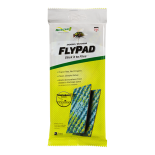 FlyPad
 Japanese Beetle Trap
 Spider Trap
 TrapStik, Carpenter Bee
 TrapStik, Deck & Patio Fly
 TrapStik, Indoor Fly
 TrapStik, Wasp
 W·H·Y Trap for Wasps, Hornets & Yellowjackets
 Yellowjacket Trap, Disposable
 Yellowjacket Trap, Reusable


The windows are closed. The screens are intact. You've already vacuumed the sill twice. So why does the upstairs bedroom still have flies?
Apparently, nobody told them fly season was over.
If slow-moving flies keep turning up at your windows in late fall or winter, cluster flies may be the explanation. These seasonal visitors slip into buildings to spend the winter, then become unwelcome company when a warm spell gets them moving again. Here's why they show up, what to look for, and how to deal with the ones making themselves at home.
Where are winter flies coming from?
A closed window doesn't necessarily mean a fly-free room. Cluster flies can enter through small exterior gaps in late summer and fall, long before you notice them inside. Attics and wall spaces give them sheltered places to wait out the cold.
When those hiding places warm up, some flies become active and work their way into living spaces. They're drawn to light, which helps explain the gathering at your window. Upstairs rooms are a common trouble spot because cluster flies often shelter in the upper parts of buildings.
In other words, the window may be where their indoor journey ends. The opening that let them into the building could be somewhere else entirely.
Are they cluster flies?
Take a closer look before you start hunting for a forgotten lunch in the guest room. Cluster flies are dull grayish-brown, generally a little larger than house flies, and often sluggish. Short golden-yellow hairs on the area just behind the head are a useful identifying feature; a close-up photo can make those easier to see.
The timing matters, too. Slow-moving flies at upstairs windows during cool weather, especially after a warmer or sunny day, fit the cluster-fly pattern.
Here's the reassuring part: cluster flies don't breed inside your house. Their larvae develop outdoors as parasites of earthworms. Once you've confirmed the identification, you can stop looking for a kitchen mess to explain them. Your home is their winter shelter.
Other flies call for a different search. Shiny blue or green bottle flies can be associated with garbage or a dead animal, so a sudden appearance deserves a closer look at possible sources. Tiny flies around produce, drains, or houseplants are another problem altogether. Our guide to fruit flies, gnats, and drain flies can help you sort those out. If you're unsure what you've found, save a photo or specimen for your local Extension office.
What to do about flies at the window
Start with the vacuum. It makes short work of accessible flies on the sill, glass, and nearby floor. Seal the collected insects in a bag for disposal.
For flies that are still active in the room, RESCUE!® FlyPad gives you an indoor trapping option. It uses VisiLure® colors and patterns to attract flies to glue-filled grooves, with no scent-based lure. Cluster flies are among its listed target pests, and windows are one of its recommended locations.
Placement matters: put FlyPad close to the activity, where flies can see it. Follow the package directions, use the included mounting strips on a clean, dry surface, and keep the adhesive away from children and pets. Replace the trap when flies fill the glue grooves or dust covers them.
And if you're tempted to bring a water-activated outdoor fly trap inside, please leave that one outdoors. Its strong-smelling lure is not something you want sharing your living space.
Why do more flies appear after cleanup?
As satisfying as a clean windowsill is, it doesn't tell you how many flies are still tucked away in the building. Another warm spell can bring more out of hiding.
That doesn't mean the cluster flies are multiplying indoors, or that yesterday's cleanup was pointless. You're removing the ones that have emerged. A trap can catch active flies in the room, but it won't reach the ones concealed inside a wall.
Make next fall harder for them
While this season's trouble spots are fresh in your mind, note which rooms have the most activity. Then plan an exterior inspection before the next late-summer and fall arrival period.
Look for gaps around window frames, siding, utility openings, and eaves, and check vent screens for damage. Seal unintended openings with materials suited to your home, preserving necessary ventilation. For upper-story or roof work, get help from someone equipped to reach those areas.
Our fall insect-proofing guide is a useful place to start. For now, clear the sill, keep your indoor trap near the activity, and put those exterior repairs on the calendar. You've got better things to do than vacuum the guest room every sunny afternoon.
rescue.com™