
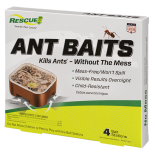
 Ant Baits
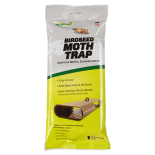 Birdseed Moth Trap
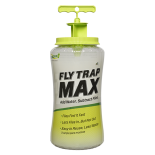 Fly Trap Max
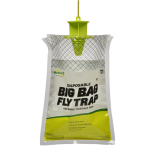 Fly Trap, Big Bag
 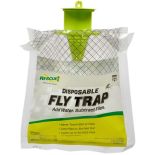 Fly Trap, Disposable
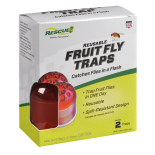 Fly Trap, Fruit Fly
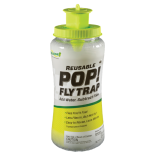 Fly Trap, POP! Fly
 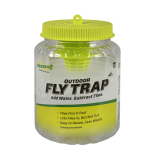 Fly Trap, Reusable
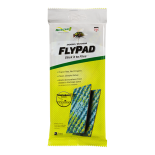 FlyPad
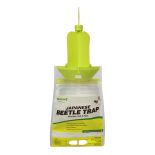 Japanese Beetle Trap
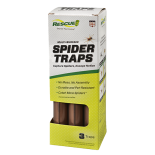 Spider Trap
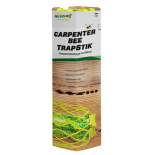 TrapStik, Carpenter Bee
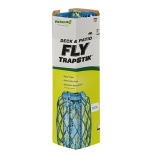 TrapStik, Deck & Patio Fly
 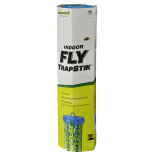 TrapStik, Indoor Fly
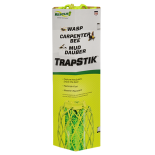 TrapStik, Wasp
 W·H·Y Trap for Wasps, Hornets & Yellowjackets
 Yellowjacket Trap, Disposable
  Yellowjacket Trap, Reusable
 Notice: Trying to access array offset on value of type bool in /var/www/vhosts/rescue.com/httpdocs/core/plugins/bugs/front/bugs.front.category.view.php on line 3
Notice: Trying to access array offset on value of type bool in /var/www/vhosts/rescue.com/httpdocs/core/plugins/bugs/front/bugs.front.category.view.php on line 16
Notice: Trying to access array offset on value of type bool in /var/www/vhosts/rescue.com/httpdocs/core/plugins/bugs/front/bugs.front.category.view.php on line 18
Notice: Trying to access array offset on value of type bool in /var/www/vhosts/rescue.com/httpdocs/core/plugins/bugs/front/bugs.front.category.view.php on line 51
Related Products
Notice: Trying to access array offset on value of type bool in /var/www/vhosts/rescue.com/httpdocs/core/plugins/bugs/front/bugs.front.category.view.php on line 60
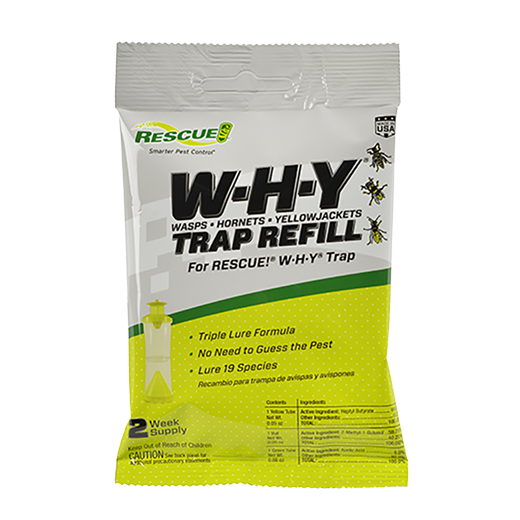
RESCUE! W·H·Y Trap Refill Kit
The RESCUE! W·H·Y® Refill Kit works inside the W&mid...
VIEW PRODUCT »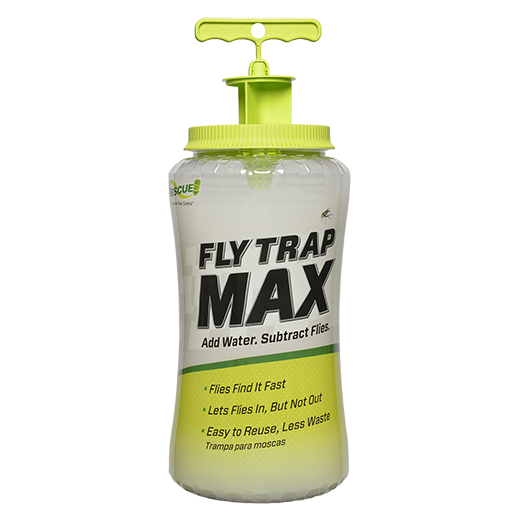
Fly Trap Max
Take catching flies to the MAX. The RESCUE! Fly Trap Max is our biggest fly trap...
VIEW PRODUCT »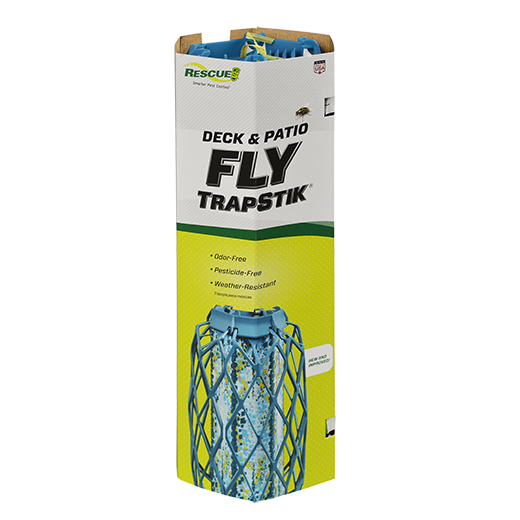
TrapStik, Deck & Patio Fly
Uses our exclusive VisiLure® technology to draw insects with appea...
VIEW PRODUCT »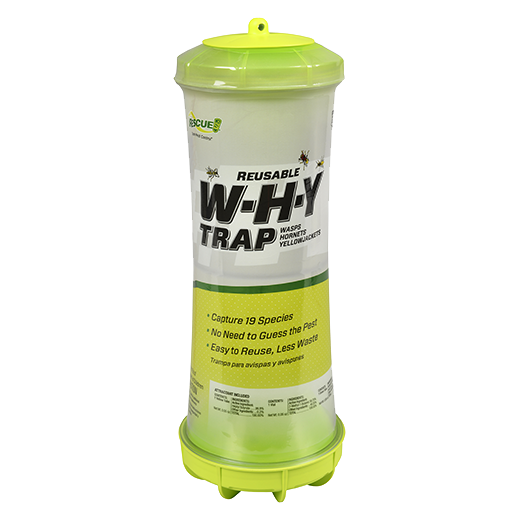
W·H·Y Trap for Wasps, Hornets & Yellowjackets
The W·H·Y Trap has two chambers and three lures to catch 19 d...
VIEW PRODUCT »
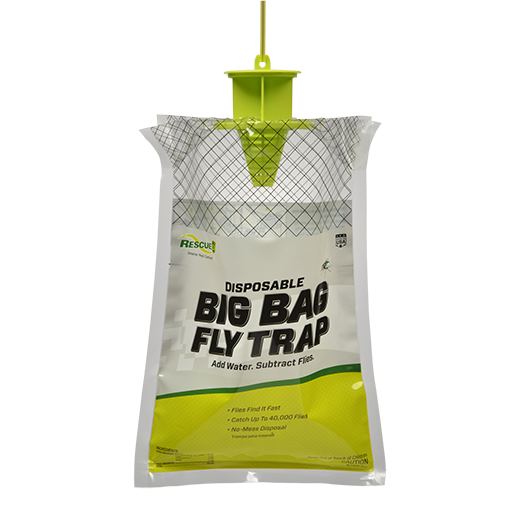
Fly Trap, Big Bag
The RESCUE! Big Bag Fly Trap contains a water-activated lure that flies fin...
VIEW PRODUCT »
Notice: Trying to access array offset on value of type bool in /var/www/vhosts/rescue.com/httpdocs/core/plugins/bugs/front/bugs.front.category.view.php on line 124
No FAQ's were found.
Related Articles
Notice: Trying to access array offset on value of type bool in /var/www/vhosts/rescue.com/httpdocs/core/plugins/bugs/front/bugs.front.category.view.php on line 236
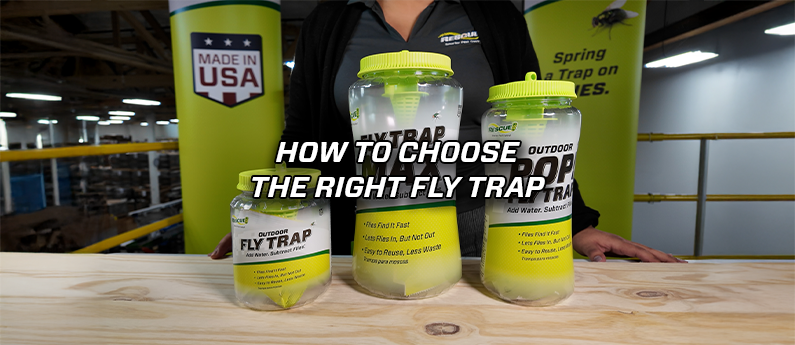
How to Choose the Right Fly Trap
Not sure which fly trap you need? This quick guide breaks down RESCUE!® fly trap options and helps you choose the right one based on your fly problem, yard size, and preference for disposable or reusable traps.
Read More »