Hornets

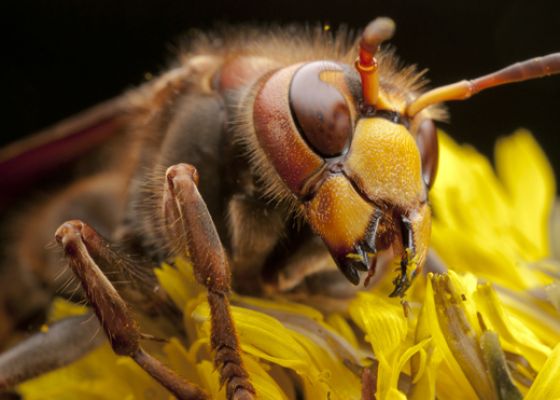
Hornets are the largest of the social wasps.

Geographic Region

European hornets are found throughout Europe, Russia, North America and Northeast Asia.

Natural Habitat

Hornets can often be found feeding on the sap of oak trees, rotting sweet fruits, honey and any foods containing sugar.

Weather Conditions

Hornets prefer hot, dry weather conditions. Overwintering queen hornets are the only members of the colony that survive winter.

Behavior

Hornets aggressively guard their nesting sites when threatened. Hornet stings are more painful to humans than typical wasp stings because of the neurotransmitter chemical in their venom .

Unique Characteristics

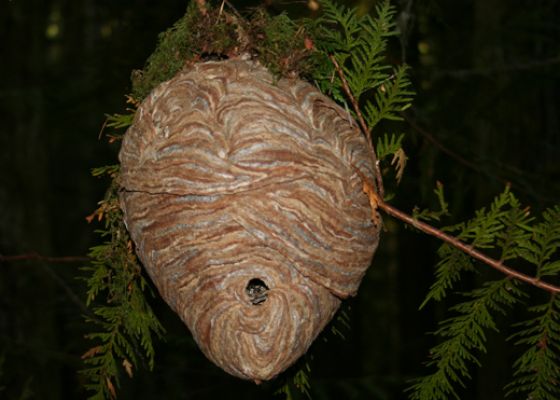
Hornets make aerial nests rather than subterranean nests.

Related Products
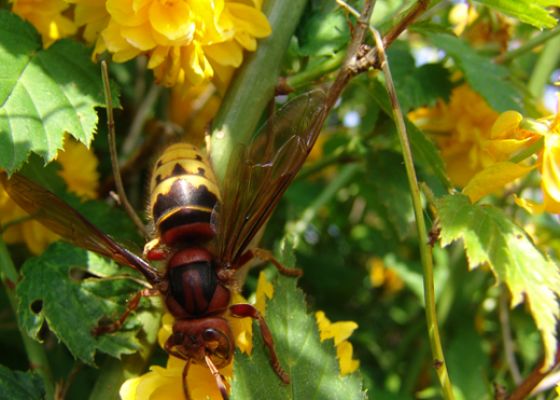
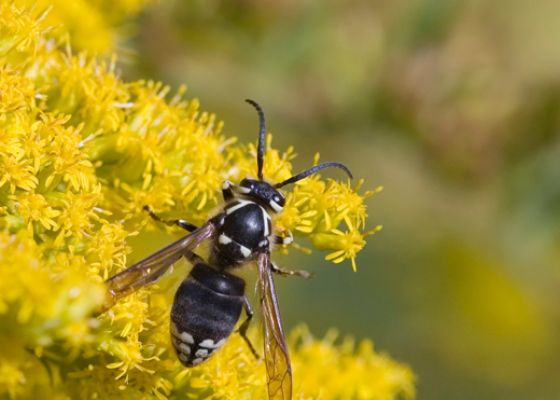
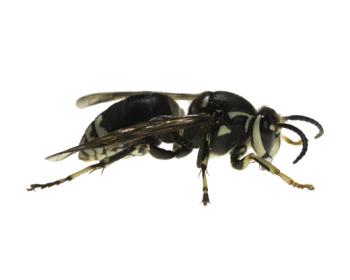
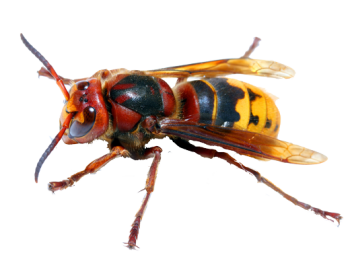
Hornets are large social wasps known for their aggressive defense of nests. They are generally larger than yellowjackets and paper wasps, with distinct markings depending on the species (for example, European hornets have reddish-brown bodies with yellow bands; bald-faced hornets appear black with white stripes).
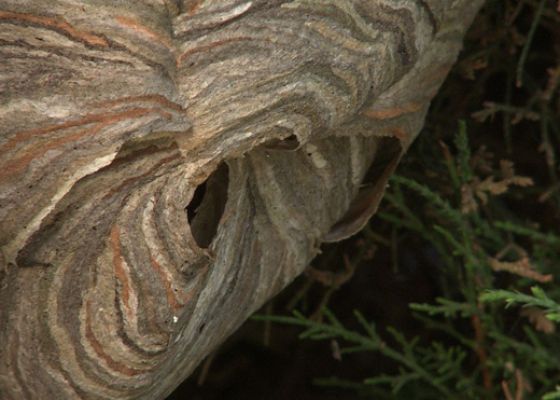
Hornets typically build enclosed paper nests in sheltered locations — inside tree cavities, attics, wall voids, sheds, under eaves, or in other protected void spaces. The nest shape can resemble a large paper sphere.
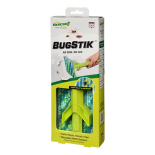
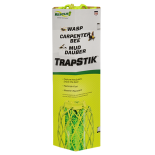
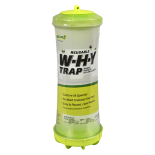
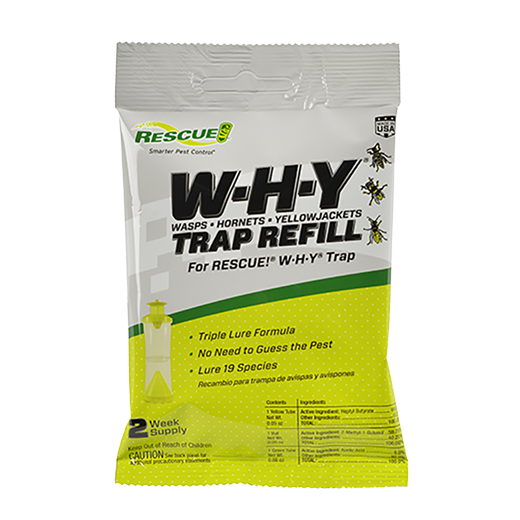
Hornets defend their nests vigorously. Their stings can be painful and potentially dangerous to people with allergies. Avoid approaching or disturbing nests; consider professional help for nest removal and use a trap like the RESCUE! W-H-Y Trap or Wasp TrapStik to reduce local populations.
Hornets are attracted to sweet scents, open food, garbage bins, outdoor drinks, and flowering plants. They forage for nectar and protein sources (insects, meat scraps) while scouting areas for food and nest-building materials.
Reduce potential nesting areas by sealing gaps and openings in structures, removing old nests in fall or winter, keeping garbage covered, limiting open food and drink outdoors, and trimming vegetation where hornets might build nests. Using a trap like the RESCUE! W-H-Y Trap or the Wasp TrapStik can help reduce hornet populations around your home, protecting you from stings!
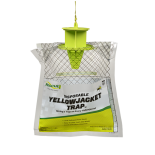
The RESCUE! W·H·Y Trap for Wasps, Hornets & Yellowjackets uses a dual-chamber design and a specially designed attractant to lure hornets into the trap, where they cannot escape. It’s an effective option for reducing hornet activity when used outdoors away from common activity areas. ???? RESCUE! W·H·Y Trap — recommended for persistent hornet activity in yards, around sheds, or near outdoor gatherings.
Yes — the RESCUE! TrapStik for Wasps, Mud Daubers & Carpenter Bees offers an adhesive-based trapping option that can catch hornets along with other wood-associated insect pests. It’s especially useful in outdoor spaces where hornets are frequently seen landing or flying. ???? RESCUE! TrapStik for Wasps, Mud Daubers & Carpenter Bees — good for areas with mixed flying pest activity including hornets.
Avoid leaving open food or sweet drinks outdoors, keep trash and recycling tightly sealed, and position a RESCUE! W·H·Y Trap at least 20–30 feet from your patio or outdoor seating area. This helps lure hornets away from people while minimizing impact on beneficial pollinators.
Yes — when placed properly. Place hornet traps away from flowering areas and garden beds so non-target pollinators like honey bees or native bees aren’t drawn in.
Attempting to remove a hornet, wasp, or yellowjacket nest yourself can be extremely dangerous and we recommend working with a professional for nest removal. To reduce stinging insect populations, use a RESCUE! W·H·Y Trap and/or TrapStik for Wasps, Mud Daubers & Carpenter Bees in strategic outdoor locations. Placing traps early in the spring increases the likelihood of catching queens, which can reduce the number of nests that get established throughout the season.

Jan 21, 2026 | Helpful Hints

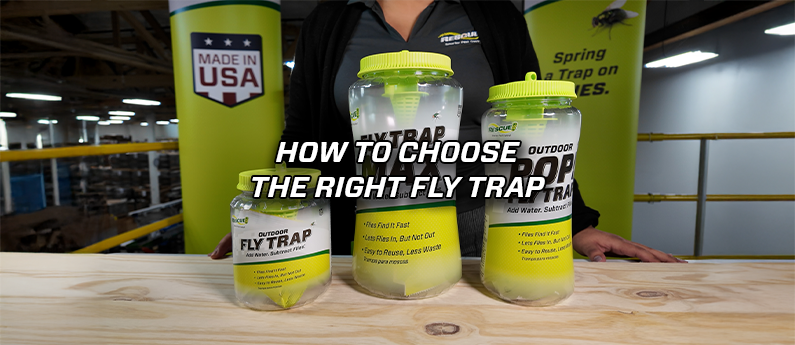
How to Choose the Right Fly Trap

Not sure which fly trap you need? This quick guide breaks down RESCUE!® fly trap options and helps you choose the right one based on your fly problem, yard size, and preference for disposable or reusable traps.

Read More »