Ants

According to the National Pest Management Association, ants are the number 1 nuisance pest in America. More than 10,000 ant species exist throughout the world.

Geographical Region

Ants are found on all continents except Antarctica as well as a few large islands such as Iceland, greenland and the Hawaiian Islands.

Natural Habitat

Ants in general prefer to establish their colonies where there is accessible food and moisture. They can nest in wall and floor cracks as well as in loose soil under a building's foundation. 

Weather Conditions

Ants are most likely to enter homes to escape cold and wet conditions outdoors. They also invade homes to escape excessive heat. 

Behavior

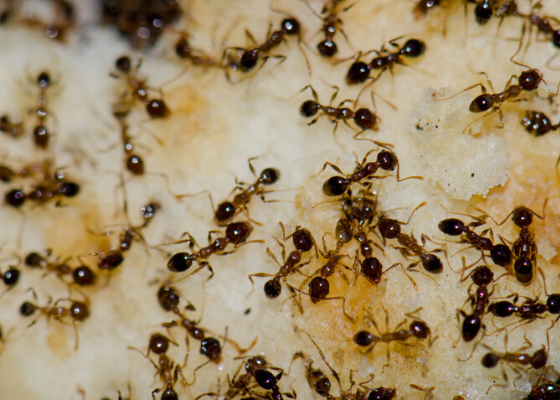
Ants enter homes in search of easy food and water sources. They most frequently infest kitchens, but bathrooms and basements can harbor ant infestations as well. Foraging worker ants have one job: To seek out food to bring back to the nest and keep the colony thriving. When these worker ants find food, they lay pheromone trails to let other workers know where to find it. 

Unique Characteristics

The queen ant rips off her wings when she starts a new nest. Ants don't have ears or lungs. They 'hear' by feeling vibrations in the ground, and they get oxygen and expel CO2 through tiny holes all over their bodies. 

Related Products
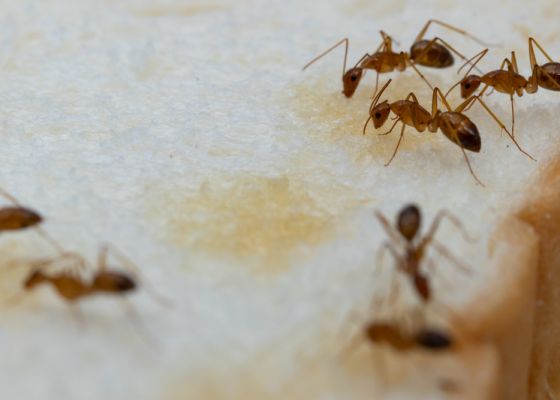
Ants you’ll usually see inside homes include odorous house ants, pavement ants, Argentine ants, and little black ants. While their appearances and behaviors differ, they all forage for food and water and can form trails as they explore your space. Storing food in sealed containers and cleaning up stray crumbs are good ways to prevent ant infestations.
Ants enter homes searching for food, water, or shelter. Crumbs, spills, pet food, and open containers can attract them. Even tiny spills on floors or counters provide enough incentive for ants to march indoors.
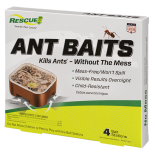
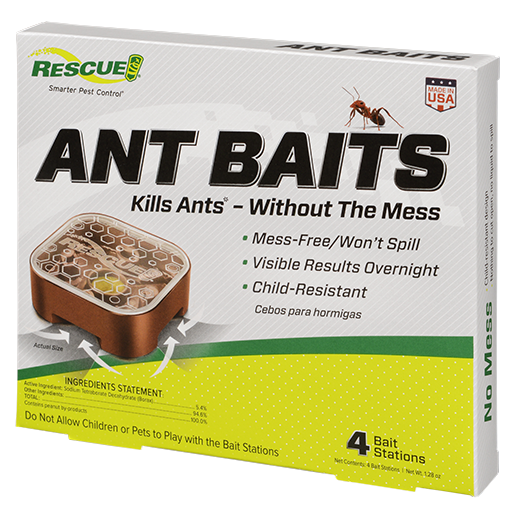
Seeing a few ants occasionally isn’t uncommon, but when you spot regular trails of ants, large groups, or ants near food prep areas, that’s a sign they’re establishing a foraging path and preparing to hang around for a while. If you see these signs of ant activity, it's a good idea to use some RESCUE! Ant Baits to stop the problem before it starts.
A clean house is the best way to prevent ants. Wipe up spills immediately, store food in sealed containers, take out garbage regularly, and eliminate standing water. Seal cracks and gaps around windows, doors, foundations, and utility lines to reduce entry points.
RESCUE! Ant Baits use a dual-bait formula designed to appeal to many ant species. Foraging ants carry the bait back to the colony where it’s shared with other workers and larvae, helping disrupt the colony at the source rather than only killing ants you see wandering around.
Place bait stations wherever you see ant trails, near entry points, or where ants are most active — along baseboards, under sinks, next to appliances, or near trash cans. Stations should be put out of reach of kids and pets. If you noticed more ants immediately after deploying the bait stations, that's a sign that the bait stations are working. Ants will flock to the bait station to collect bait and carry it back to the colony.
Ants may begin feeding almost immediately, but full control often takes a few days as worker ants bring bait back to the colony and share it. Visible activity typically decreases over time as the colony is affected. If you notice a trail of ants leading to or from the bait station, that means the bait stations are working! A temporary increase in the visible ant population means the ants are collecting bait and bringing it back to the colony.
Sprays and contact killers may temporarily knock down ants on sight but often don’t address the colony. If you choose to use sprays, apply them away from your bait stations so they don’t repel ants from feeding on the bait.
RESCUE! Ant Baits feature a certified Child Resistant enlcosure and are formulated to be used in homes, but as with all pest products, you should follow label directions and place bait stations where children and pets can’t access them.
It’s common to see ants around bait stations for a day or two — they’re actively collecting the bait and returning it to the colony. Over time, as the bait is shared, you’ll see fewer ants. If activity persists for more than a week, you may consider repositioning bait stations or adding a few more in active areas.

Jan 21, 2026 | Helpful Hints

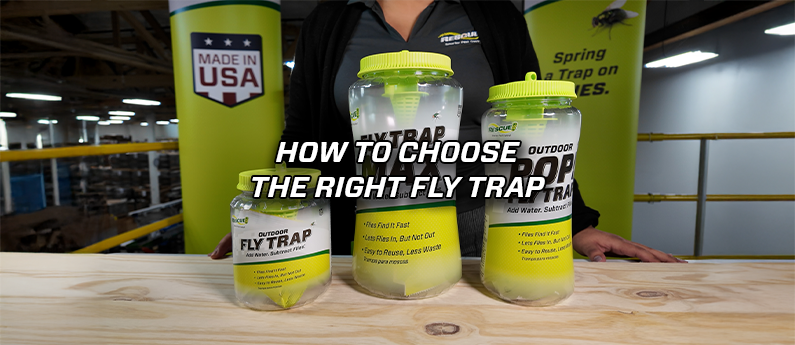
How to Choose the Right Fly Trap

Not sure which fly trap you need? This quick guide breaks down RESCUE!® fly trap options and helps you choose the right one based on your fly problem, yard size, and preference for disposable or reusable traps.

Read More »