
 Ant Baits
 Birdseed Moth Trap
 BugStik
 Fly Trap Max
 Fly Trap, Big Bag
 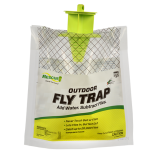 Fly Trap, Disposable
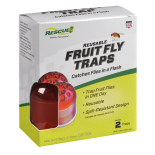 Fly Trap, Fruit Fly
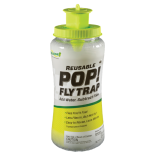 Fly Trap, POP! Fly
 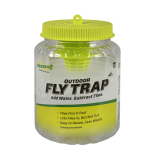 Fly Trap, Reusable
 FlyPad
 Japanese Beetle Trap
 Spider Trap
 TrapStik, Carpenter Bee
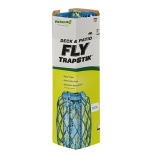 TrapStik, Deck & Patio Fly
 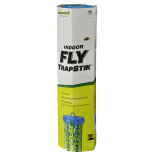 TrapStik, Indoor Fly
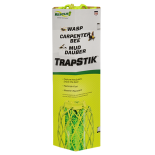 TrapStik, Wasp
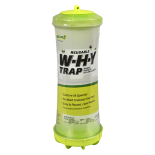 W·H·Y Trap for Wasps, Hornets & Yellowjackets
 Yellowjacket Trap, Disposable
  Yellowjacket Trap, Reusable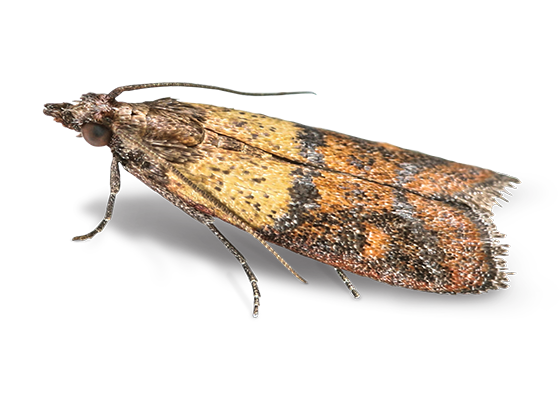
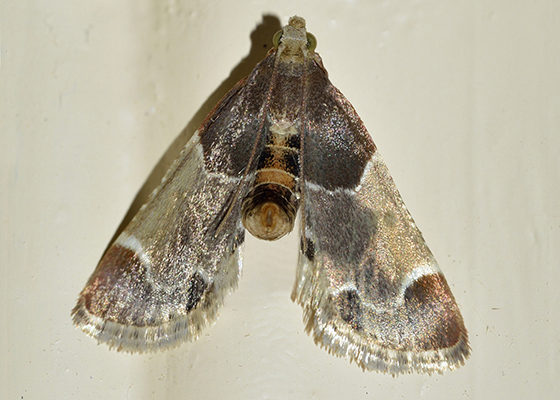
Birdseed and Pantry Moths
Often hitchhiking home with unsuspecting customers from the grocery store, birdseed and pantry moths not only are a nuisance – they also pose a health risk. These tiny moths invade, eat through and lay eggs on stored food or birdseed, leaving no choice but to toss out the infested items.
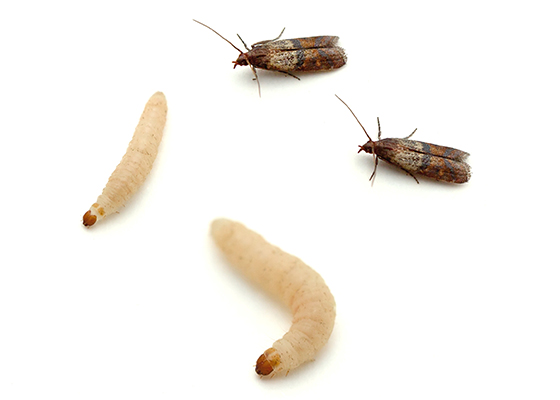
Finding silk webbing in a stored food product – or worse, moving larvae – is a sign you have an infestation of birdseed and pantry moths.
Geographic Region
Birdseed and pantry moths are found throughout the world and can survive in a wide range of weather conditions.
Natural Habitat
Birdseed and pantry moths prefer to live indoors where human food, pet food or birdseed is stored. Cereals and grains, flour, pasta, dried fruits or herbs, spices, dry pet food or birdseed provide food for the larvae once the female moth lays her eggs.
Weather conditions
Pantry moths are less active during colder weather. Their life cycle slows and the unhatched moths go into a hibernation period during the winter months.
Behavior
Female pantry moths lay eggs directly on the stored food product to provide nourishment for the larvae once they hatch. They leave cocoon-like webs within the food and birdseed.
Unique characteristics
Birdseed and pantry moths are very small, about a half-inch long and brown in color.
Related Products
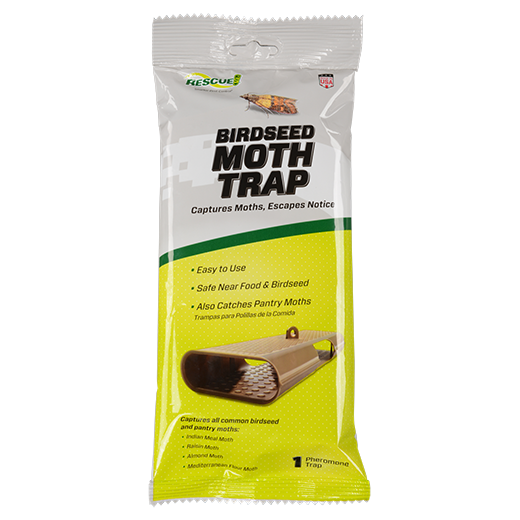
Birdseed Moth Trap
The RESCUE! Birdseed Moth Trap uses a pheromone lure that attracts multiple...
VIEW PRODUCT »
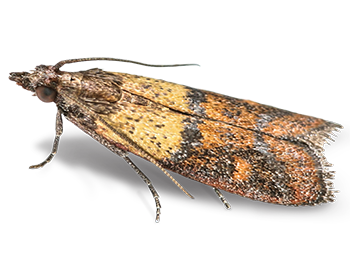
Common types of Birdseed & Pantry Moths
Related Articles
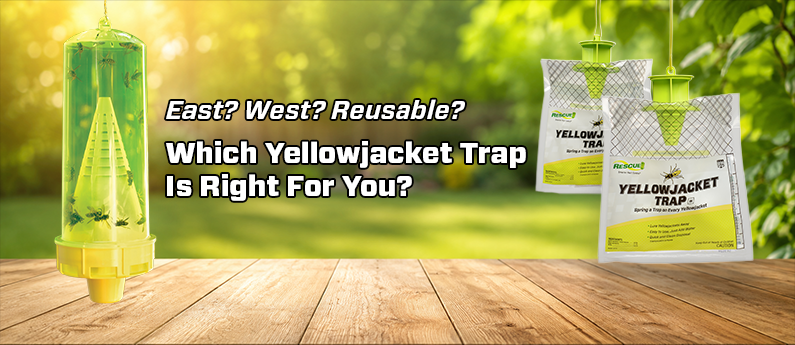
Not sure whether you need an Eastern, Western, or Reusable Yellowjacket Trap? Learn how regional species, attractant formulas, and trap styles can help you choose the right RESCUE! trap for your needs.
Read More »