
 Ant Baits
 Birdseed Moth Trap
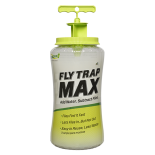 Fly Trap Max
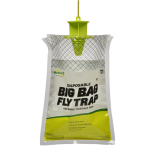 Fly Trap, Big Bag
 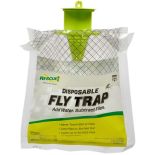 Fly Trap, Disposable
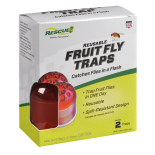 Fly Trap, Fruit Fly
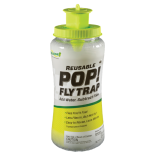 Fly Trap, POP! Fly
 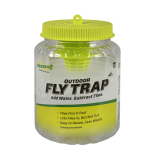 Fly Trap, Reusable
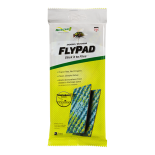 FlyPad
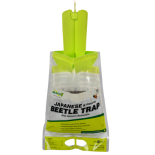 Japanese & Oriental Beetle Trap
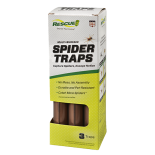 Spider Trap
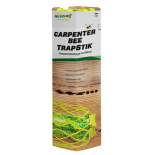 TrapStik, Carpenter Bee
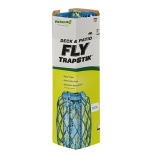 TrapStik, Deck & Patio Fly
 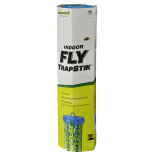 TrapStik, Indoor Fly
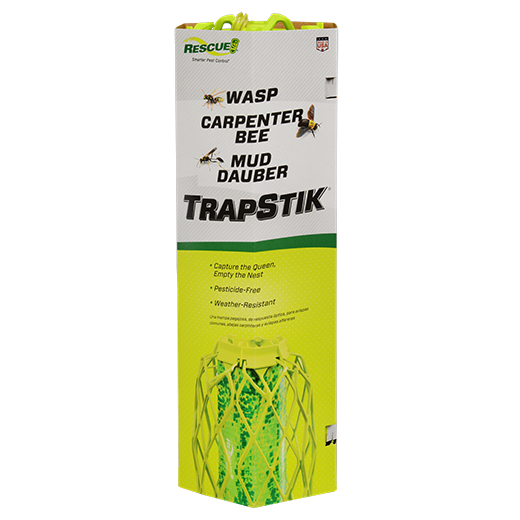
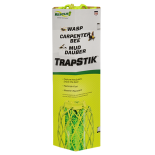 TrapStik, Wasp
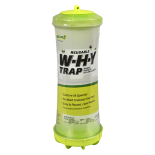 W·H·Y Trap for Wasps, Hornets & Yellowjackets
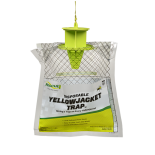 Yellowjacket Trap, Disposable
 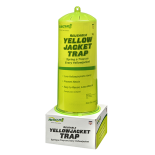 Yellowjacket Trap, Reusable
  Ants
Ants Biting Flies
 Carpenter Bees
 Flies
Flies Fruit Flies
 Hornets
 Japanese Beetles
 Mud Daubers
 Oriental Beetles
 Birdseed & Pantry Moths
 Spiders
 Wasps
Wasps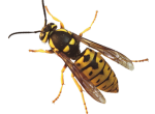 Yellowjackets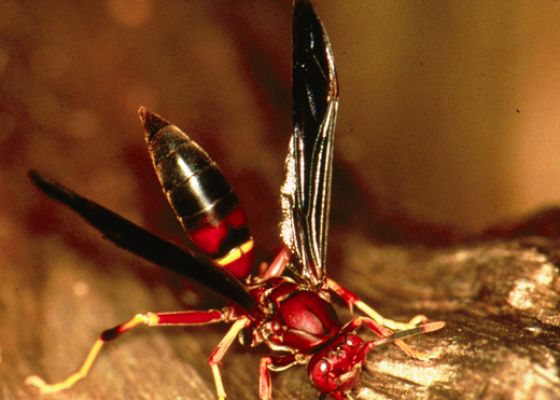
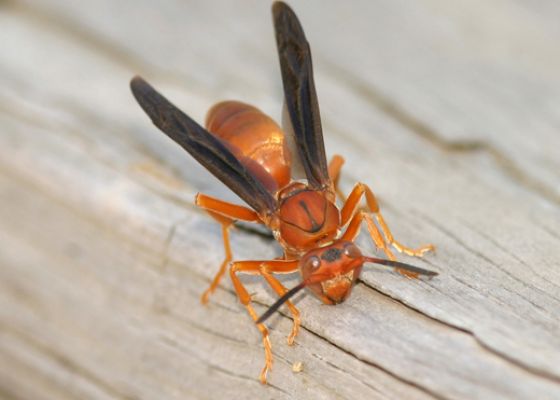
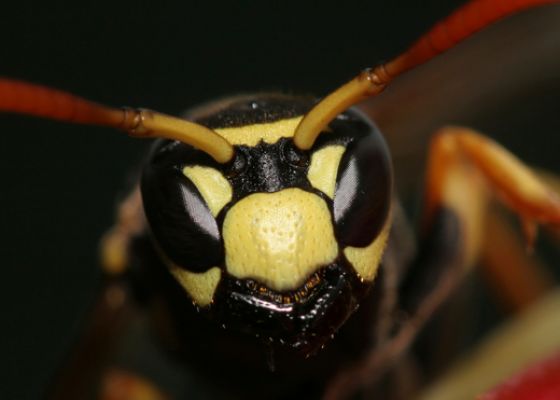
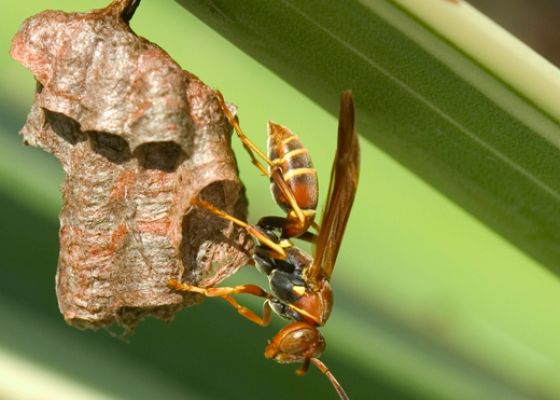
Paper Wasps
Paper wasps are so named because they construct nests made of a papery material, with a single upside-down layer of cells resembling an umbrella. They gather fibers from dead wood and plant stems and mix them with saliva to make a gray/brown papery material with which to construct water-resistant paper nests.
Geographical Region
Paper wasps of various species are found throughout North America. There are 22 species of paper wasps in North America and approximately 700 species worldwide.
Natural Habitat
Paper wasps most often build their nests around homes and other structures, underneath eaves, and on sturdy plants. Paper wasp nests are built from wood fiber and plant matter that the insects chew and form into a comb of hexagonal cells. The cells are exposed and the nest resembles an open umbrella. Mature nests contain up to 200 cells.
Weather Conditions
Paper wasp queens emerge during the early spring thaw, when temperatures reach into the mid-50 degrees during the day. Since paper wasps build water-resistant nests that are usually in a covered structure, rainy, wet weather does not affect their nests as much as it affects ground-nesting yellowjackets. In fall, freezing temperatures will kill all but the queen paper wasps.
Behavior
Paper wasps prey on insects such as caterpillars, flies — and beetle larvae that are fed to their young. The wasps forage during the day and rest at night.
Wasps attack when the nest is disturbed and can sting repeatedly. The stings typically cause pain and swelling around the area of the attack. In some cases serious allergic reactions may occur that can even result in death. Only female wasps can sting.
Paper wasps are semi-social insects that live in colonies consisting of three castes: workers, queens and males. Fertilized queens overwinter and in the spring select a site and begin building a nest.
The queen's eggs are laid in cells and hatch into larvae that develop through several stages. Worker wasps assist in nest building, caring for the young and defending the nest. An average nest may contain as many as 20 to 30 adults. In late summer, queens stop laying eggs. The queen's mated female offspring will seek a protected place to overwinter, but the remainder of the colony won't survive the winter.
Unique Characteristics
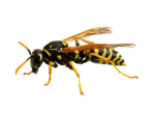
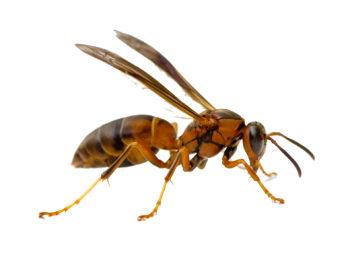
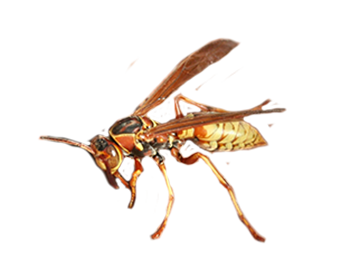
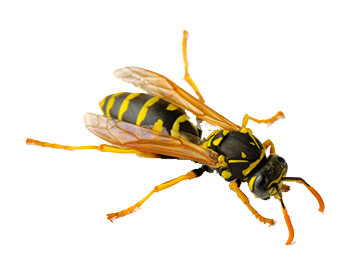
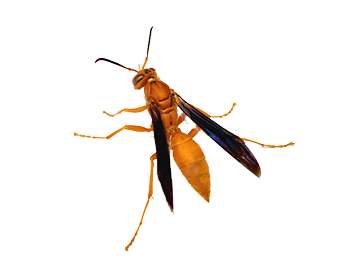
Paper wasps are 3/4 to 1 inch long, with an extremely narrow abdomen and black wings. Their body color varies by species.
RESCUE! Products are proudly made in the USA.
Related Products
Common types of Wasps
Related Articles
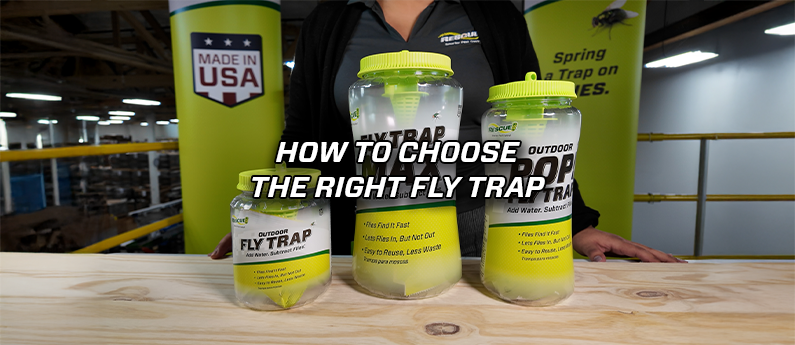
Not sure which fly trap you need? This quick guide breaks down RESCUE!® fly trap options and helps you choose the right one based on your fly problem, yard size, and preference for disposable or reusable traps.
Read More »