
 Ant Baits
 Birdseed Moth Trap
 BugStik
 Fly Trap Max
 Fly Trap, Big Bag
 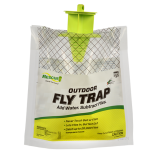 Fly Trap, Disposable
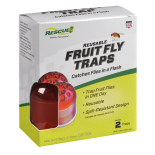 Fly Trap, Fruit Fly
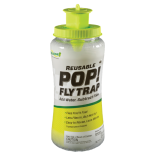 Fly Trap, POP! Fly
 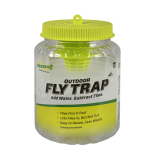 Fly Trap, Reusable
 FlyPad
 Japanese Beetle Trap
 Spider Trap
 TrapStik, Carpenter Bee
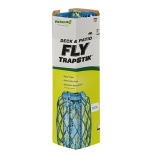 TrapStik, Deck & Patio Fly
 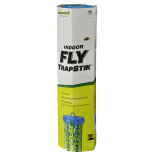 TrapStik, Indoor Fly
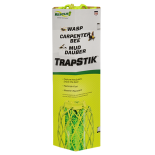 TrapStik, Wasp
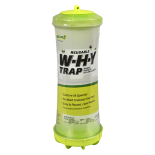 W·H·Y Trap for Wasps, Hornets & Yellowjackets
 Yellowjacket Trap, Disposable
  Yellowjacket Trap, Reusable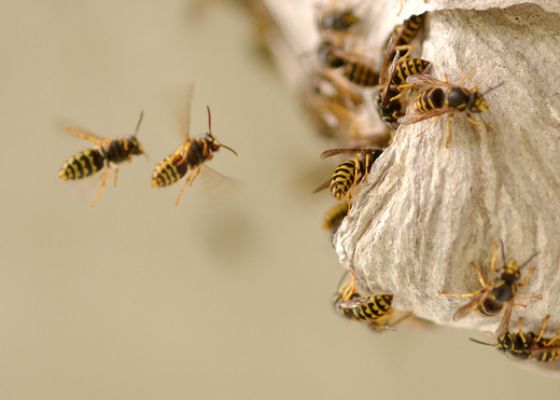
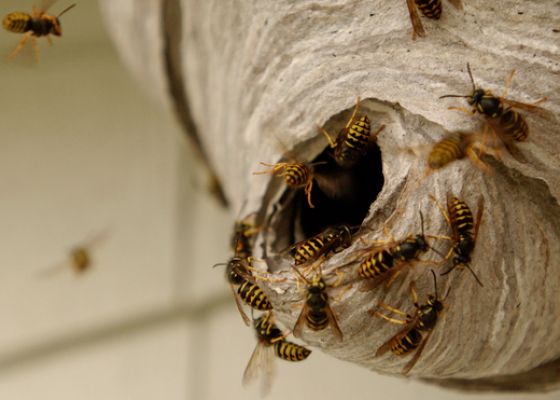
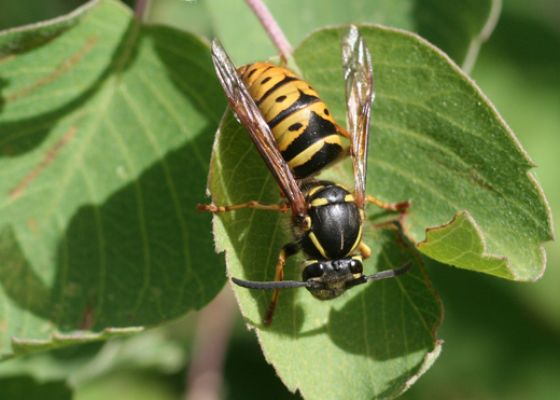
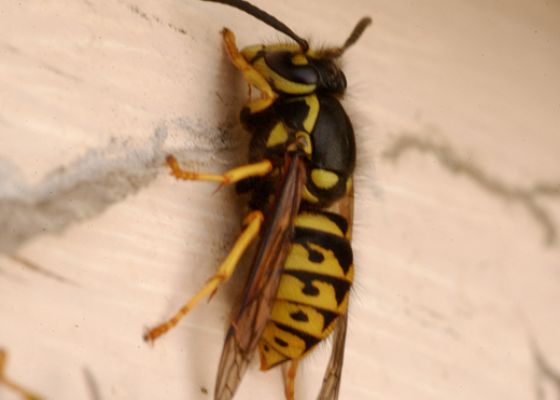
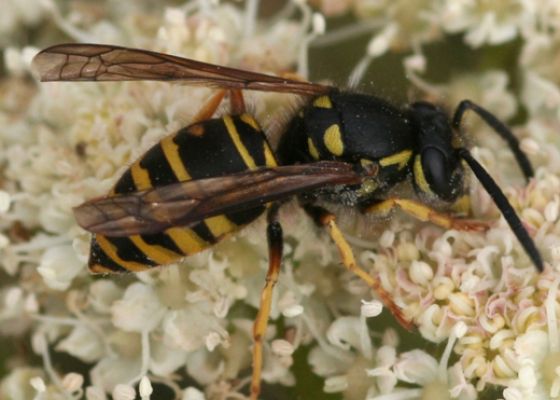
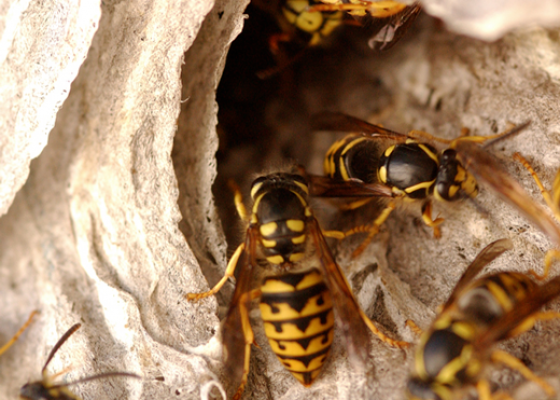
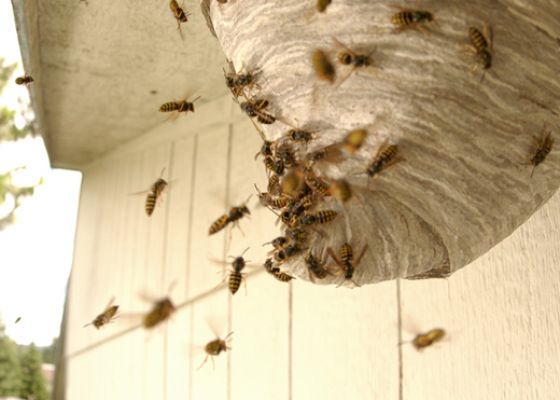
Yellowjackets
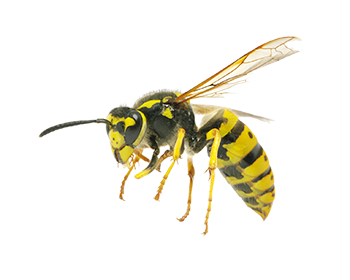
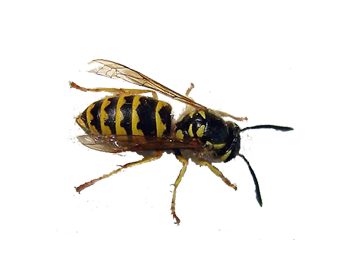
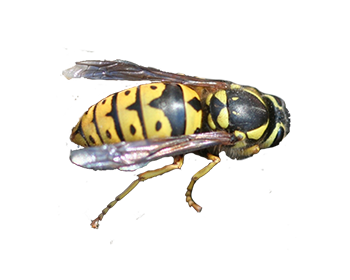
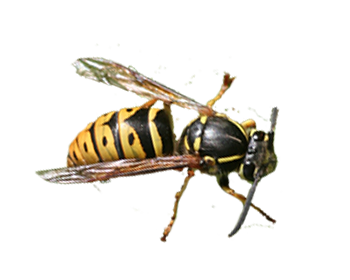
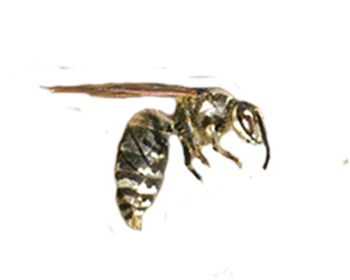
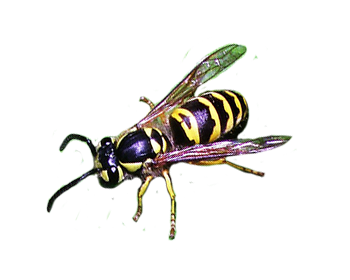
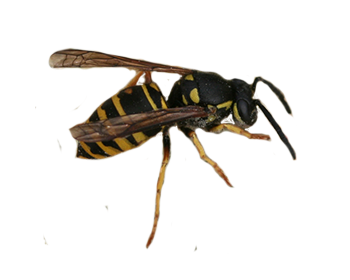
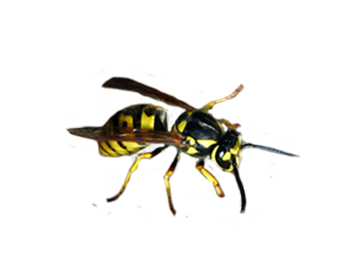
Yellowjackets are aggressive pests that possess a painful sting and bite. You’ll find the bright yellow and black insects in the backyard, at picnics and other outdoor activities.
Geographic Region
Yellowjackets of various species are found throughout North America.
Natural Habitat
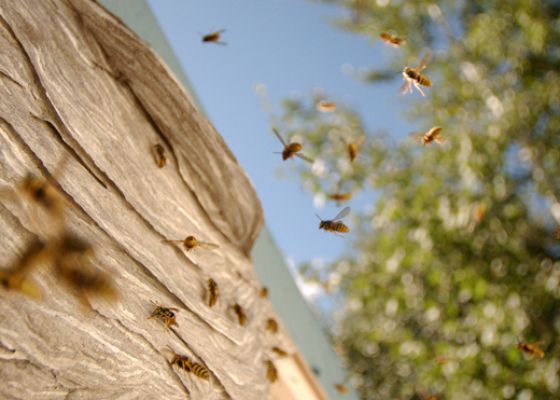
Yellowjacket nests are usually built underground, although some species will construct their nests in hollow logs, trees, attics, between walls, or under eaves of houses. An underground yellowjacket nest is difficult to locate because the entrance is about the size of a nickel.
Most yellowjacket workers forage for food within 1,000 feet of their nest -- a distance of three football fields.
In the middle of the season -- usually June or July -- yellowjackets are drawn to protein sources, such as hamburgers on the barbecue grill. During the late summer to early fall, they tend to shift their diet to sweets, including soda and juice.
Weather Conditions
Yellowjackets are more common in hot and dry climates.
Behavior
Yellowjackets scavenge for meat and sweet liquids, which brings them into frequent contact with humans. Yellowjacket attacks can be deadly for people who are allergic to their stings.
Yellowjackets are more aggressive than other stinging insects such as wasps, hornets, mud daubers or bees. Yellowjackets can both sting and bite -- they will often bite to get a better grip to jab their stinger in. Since they don't lose their stinger, they can sting numerous times, and will do so unprovoked.
Yellowjackets vigorously defend their nests. Swarm attacks can occur when someone accidentally steps in or hits a nest opening. Ground vibrations can also trigger attacks from underground nests -- thus, mowing lawns can be hazardous during the late summer season when colonies are large.
Unique Characteristics
Often mistaken for honeybees, yellowjackets are brighter in color, with a thinner, more defined waist. Visit our blog for more differences between yellowjackets and honeybees.
Related Products
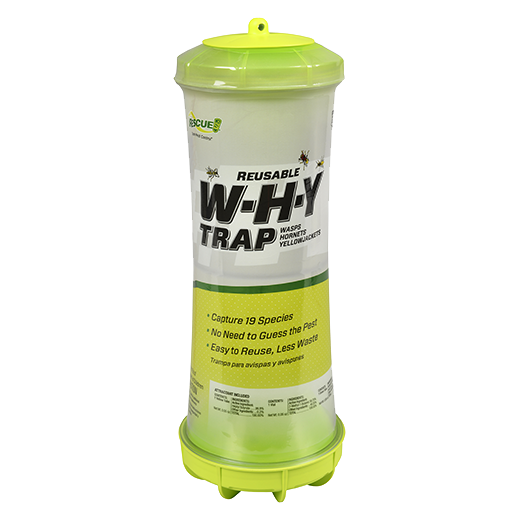
W·H·Y Trap for Wasps, Hornets & Yellowjackets
The W·H·Y Trap has two chambers and three lures to catch 19 d...
VIEW PRODUCT »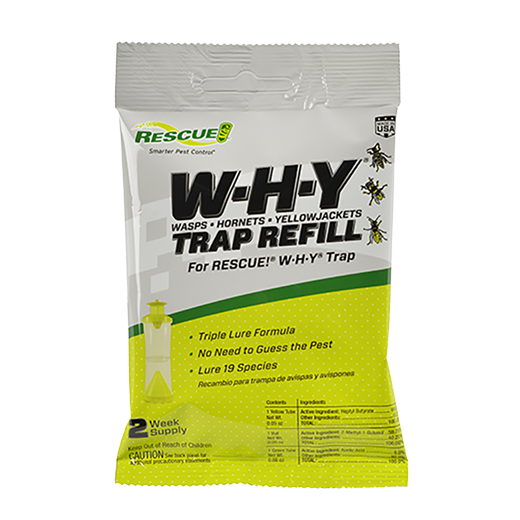
RESCUE! W·H·Y Trap Refill Kit
The RESCUE! W·H·Y® Refill Kit works inside the W&mid...
VIEW PRODUCT »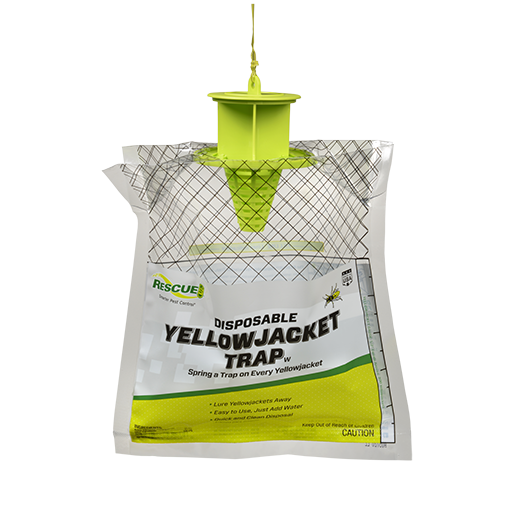
Yellowjacket Trap, Disposable
Like our reusable trap, the RESCUE! Disposable Yellowjacket Trap features t...
VIEW PRODUCT »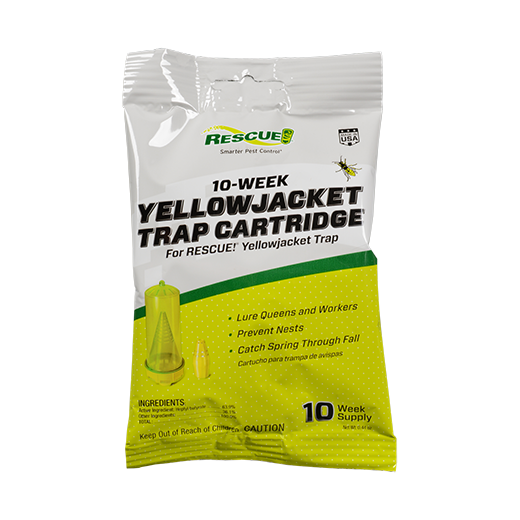
RESCUE! Yellowjacket 10-Week Cartridge
The RESCUE! Yellowjacket 10-Week Cartridge works inside the RESCUE! Ye...
VIEW PRODUCT »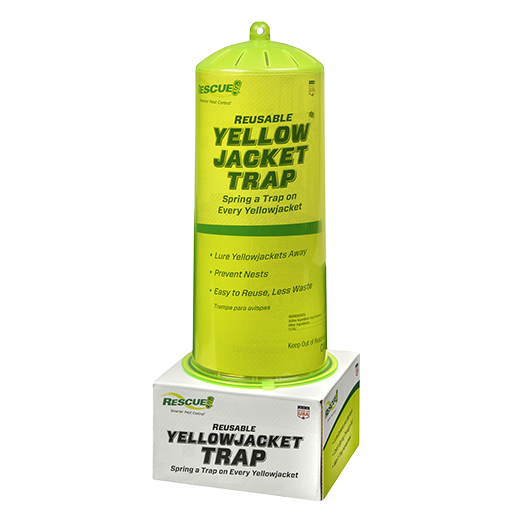
Yellowjacket Trap, Reusable
The RESCUE! Reusable Yellowjacket Trap has a unique trap design that p...
VIEW PRODUCT »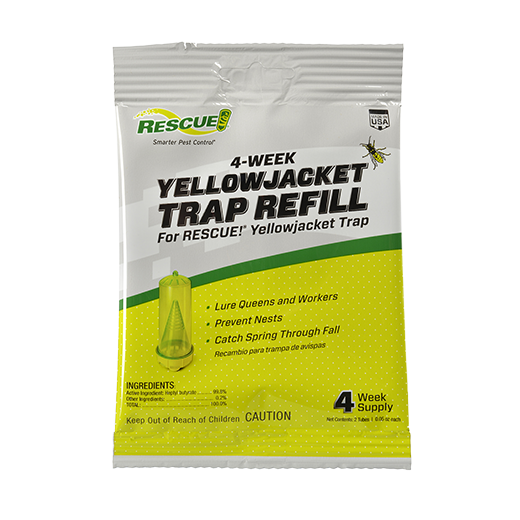
RESCUE! Yellowjacket Refill
The RESCUE! Yellowjacket Refill works inside the RESCUE! Yellowja...
VIEW PRODUCT »
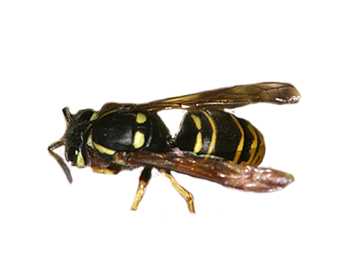
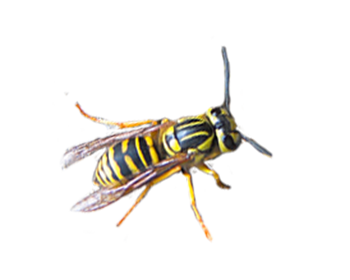
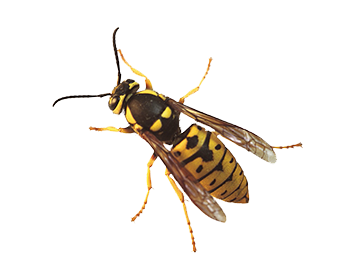
Common types of Yellowjackets
Related Articles
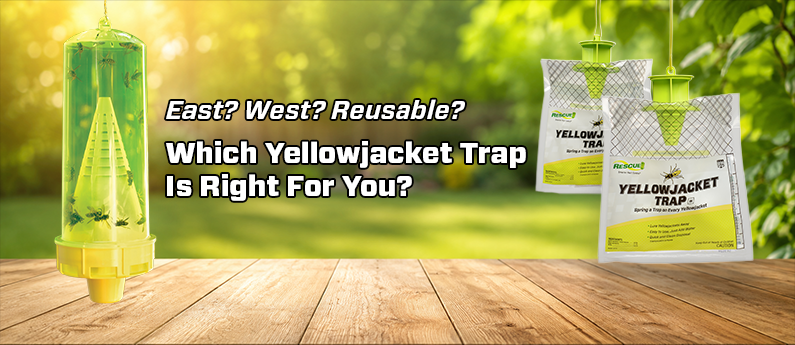
Not sure whether you need an Eastern, Western, or Reusable Yellowjacket Trap? Learn how regional species, attractant formulas, and trap styles can help you choose the right RESCUE! trap for your needs.
Read More »